Format:
Series of 3 animated videos
Context of use:
Workshops, training programmes, counselling settings, prevention work, and public information
Client:
Bundesverband Frauenberatungsstellen und Frauennotrufe (bff)
Role:
Concept, visual storytelling, motion design and production workflow
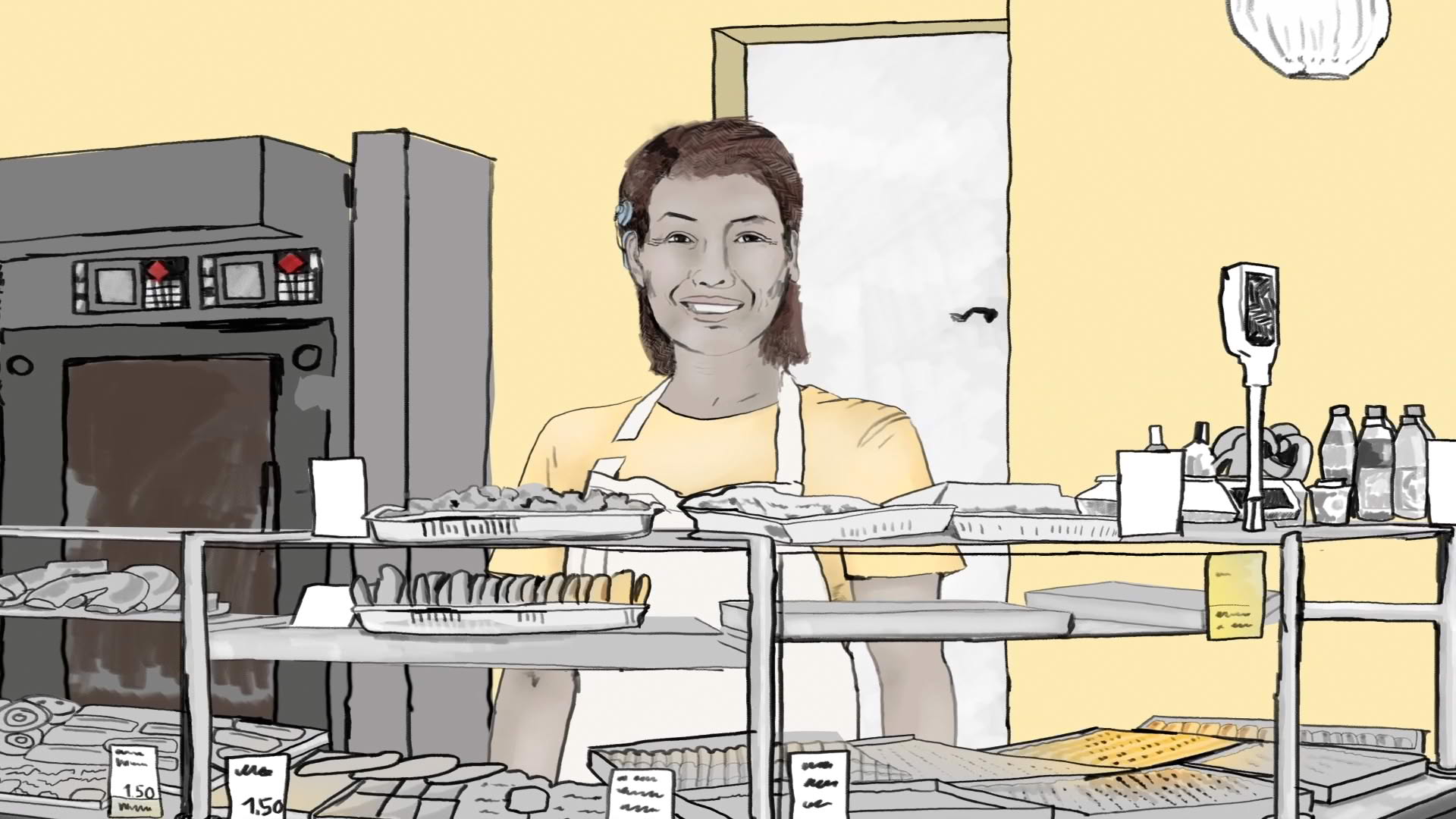
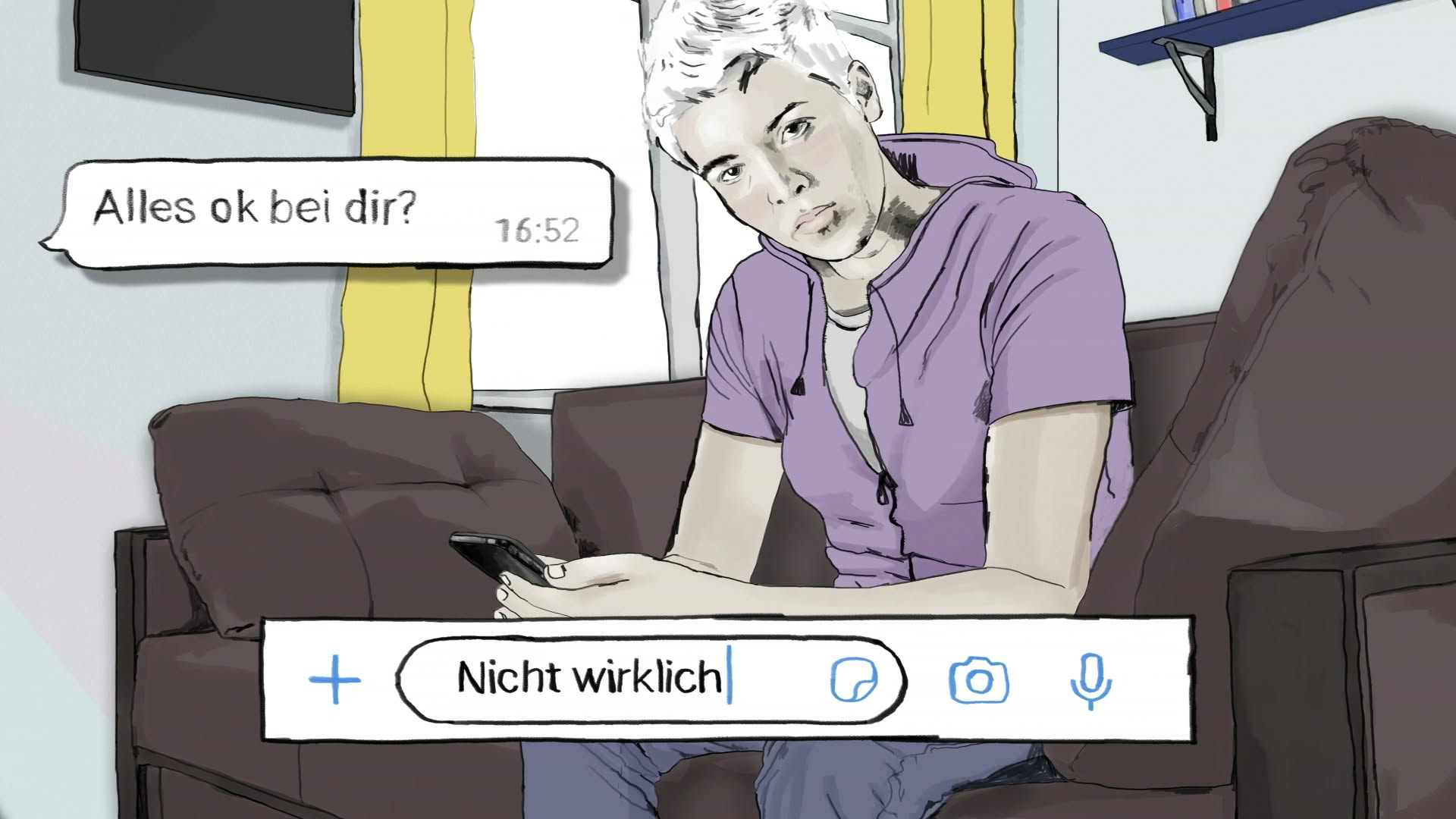
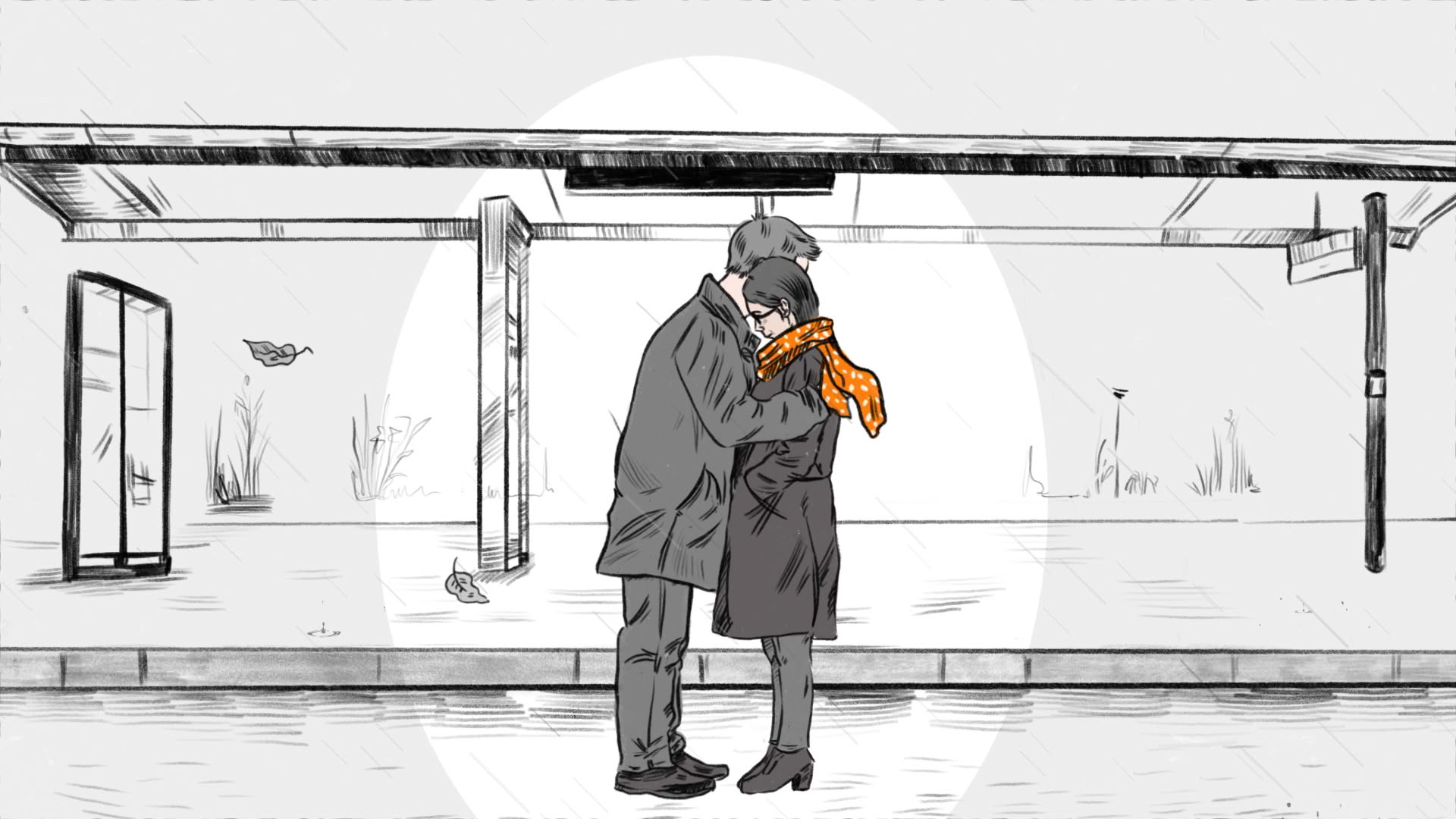
A series of three animated videos addressing sexual harassment, discrimination, and violence in the workplace. The films are designed for use in workshops, training programmes, counselling, and prevention work, making rights, responsibilities, and support structures accessible through concrete, recognisable situations.
(context)
Make it Work is an awareness and education campaign on sexual harassment, discrimination, and violence in the workplace, developed for the Bundesverband Frauenberatungsstellen und Frauennotrufe (bff). The project consists of three animated videos designed for professional and educational settings, making rights, responsibilities, and support structures accessible through concrete situations.
(challenge)
The creative challenge was to address workplace violence clearly, without explicit representation or oversimplification. Throughout development, legal consultants reviewed the narratives and repeatedly pushed back on resolutions that were too clean or optimistic. This feedback fundamentally shaped the storytelling, forcing each scenario toward outcomes that reflected what actually happens rather than what should happen. A further challenge was to represent different work realities and employment situations without reducing them to a single narrative or suggesting one correct way to respond.
(approach)
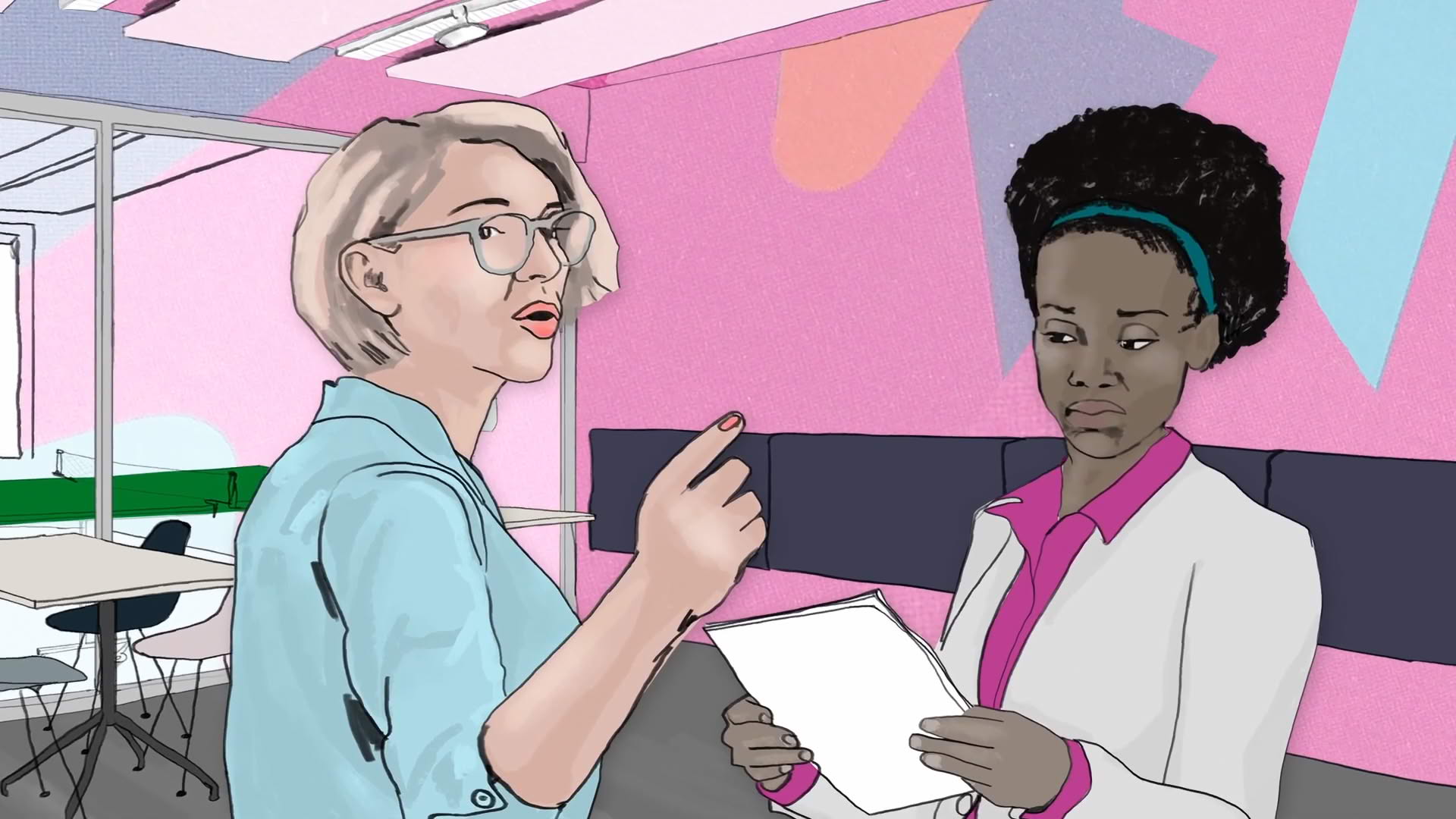
Three protagonists in different employment situations guide the films: a hospital intern, a young creative in an agency, and an older woman in a small business. Each work reality comes with different structures, dependencies, and available pathways, from turning to internal processes to documenting incidents to finding solidarity among colleagues.
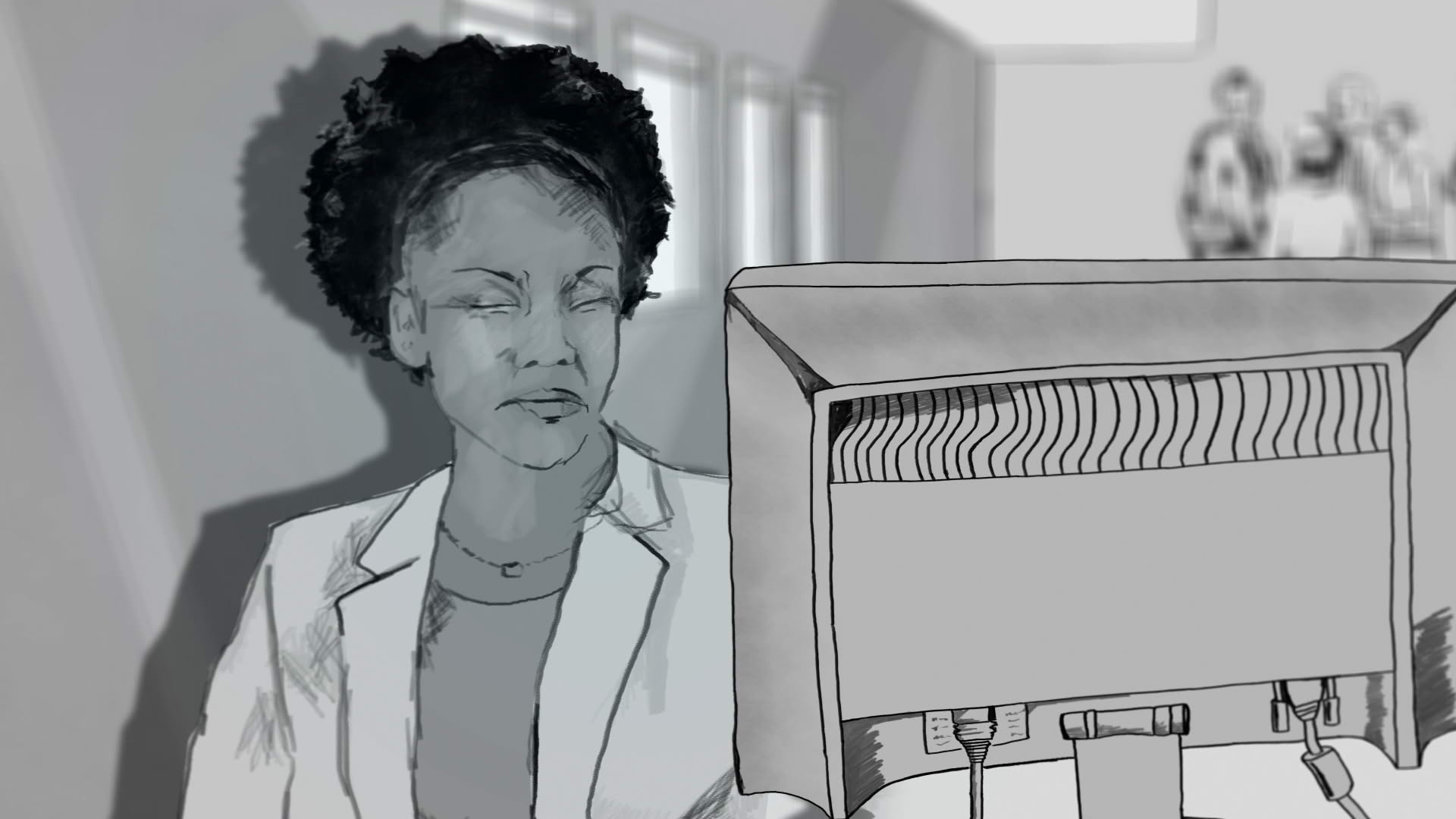
The visual language is restrained and reduced. Scenes unfold gradually and keep the affected person's perspective central, while avoiding explicit or sensational imagery. Pacing, framing, and tone were developed to support clarity and emotional precision, making the films usable in discussion-based settings.
(use in practice)
The films are used in workshops, training programmes, counselling, and prevention work, serving audiences ranging from legal professionals to people in care settings. In these contexts, they function as a shared starting point for discussion, helping participants and facilitators navigate a difficult subject together. English and Leichte Sprache versions extend this accessibility further.
For this project, I led the motion design and production workflow and co-developed the storytelling and visual concept in close collaboration with Kornelia Kugler.